
Bacteria for septic tanks, cesspits and domestic treatment plants
Biological products contain selected microorganisms and enzymes that help break down organic matter. The choice depends on the type of system: a holding cesspit, a septic tank and a domestic treatment plant each have different conditions. See which product suits your use.
Which type of system do you have?
More in the guide Cesspit, septic tank and domestic treatment plant: what is the difference?
Cesspit
A sealed holding tank. Nothing flows out; the contents are emptied regularly. Bacteria help break down organic matter and reduce odour, but do not replace emptying.
Septic tank
A settling tank. Solids sink to the bottom and bacteria break them down without air. Pre-treated water flows to a soakaway or a further treatment stage.
Domestic treatment plant
A biological plant with aeration and activated sludge. It runs according to the manufacturer’s operating rules and permit conditions. If problems arise, its technical condition must also be checked.
Choose by application.
Each product has its own focus. The product page describes the application and important limitations.
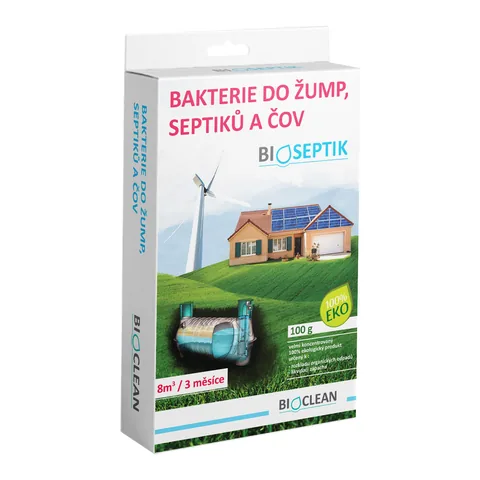
Bioseptik
Bacteria and enzymes for cesspools, septic tanks and small treatment plants
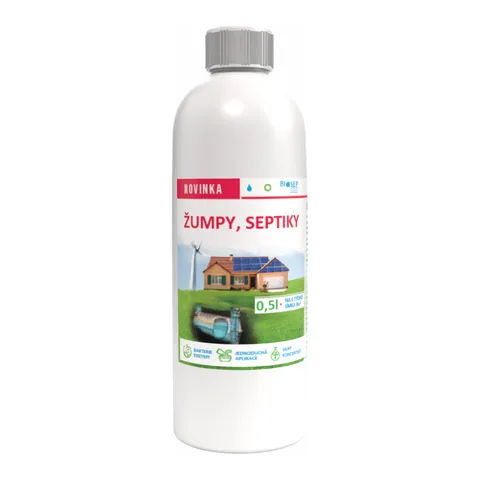
BioSep Liquid
Liquid care for cesspools and septic tanks
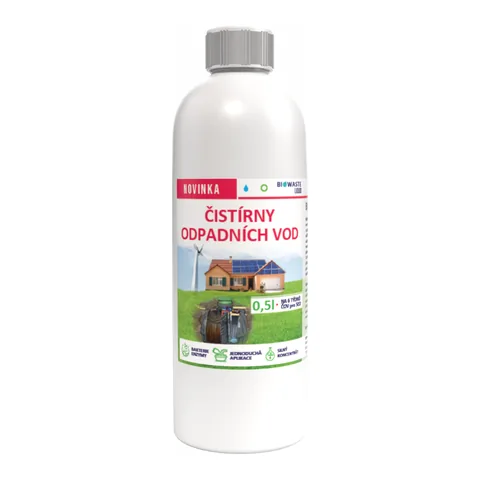
Biowaste Liquid
Liquid product for small treatment plants
Related guides.
Why a septic tank smells and how to help it
A septic tank works thanks to bacteria. When chemicals, overloading or a long break weaken them, you get odour, floating sludge and a clogged soakaway.
Read the guide →Septic tanks and small treatment plantsCesspit, septic tank and domestic treatment plant: what is the difference?
All three collect wastewater from the house, but each works differently. That changes how you look after it and which biological product to choose.
Read the guide →Not sure which product to choose?
Tell us where and how you want to use the product.